How to Share and Find a Tellonym Link for Better Social Engagement in 2026
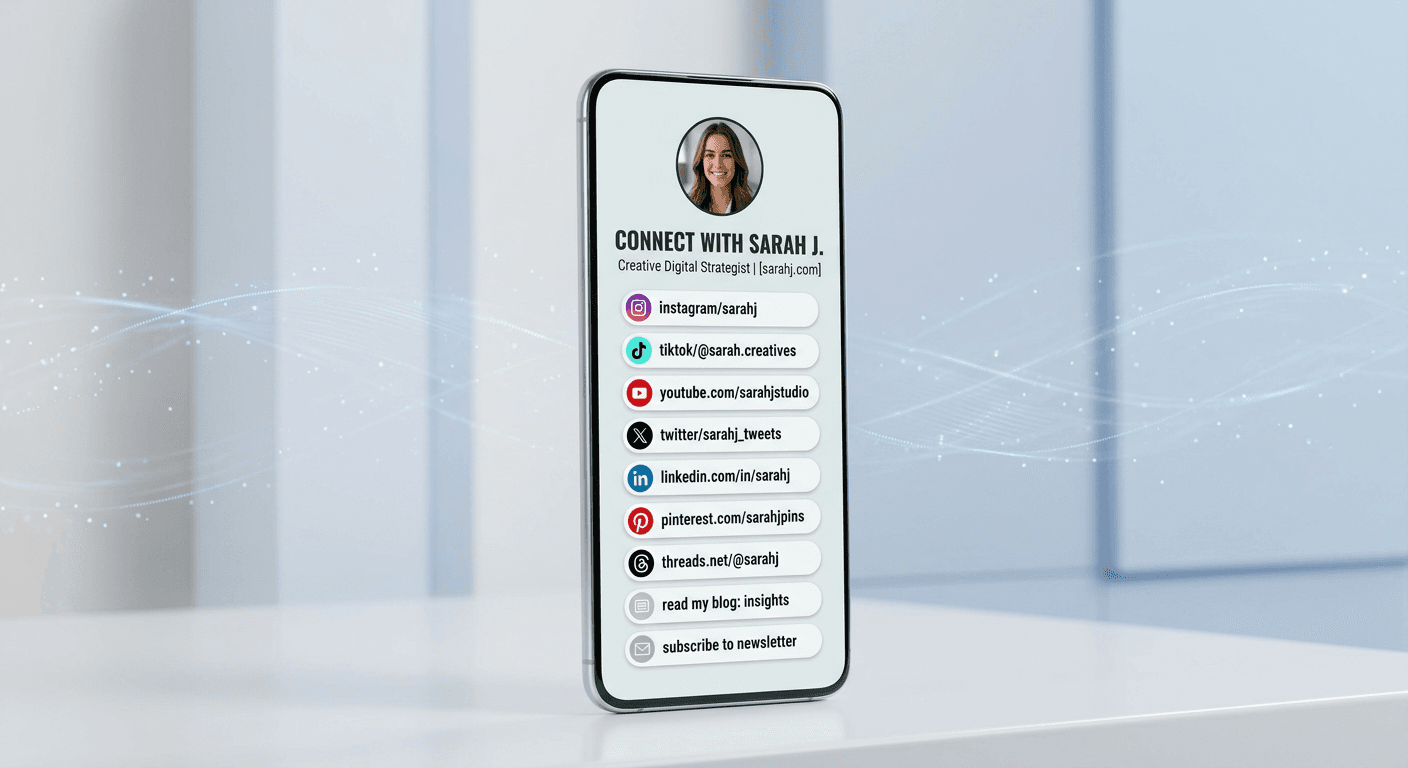
Optimizing how you share your digital presence across social media platforms is essential for maintaining audience engagement. Whether you are looking to aggregate your profile across multiple channels or simply trying to get link access to share your latest thoughts, understanding the mechanics of link sharing is a foundational skill for any creator. Centralizing these connections often requires a robust approach to how you present yourself to your followers.

Quick Summary
Sharing a Tellonym link involves generating a unique URL from your profile settings that allows others to send you anonymous messages. By integrating this link into your broader digital strategy, you can consolidate your presence across various social platforms to increase accessibility and streamline your audience interaction.
- Access your profile settings to copy your unique identification URL.
- Use a link-in-bio aggregator to store your links securely.
- Test your links across different browsers to ensure public accessibility.
- Update your social profiles to include your primary link location.
Table of Contents
- Understanding Link Accessibility
- How to Get Your Tellonym Link
- Best Practices for Sharing Links Online
- Common Pitfalls & Troubleshooting
- FAQ
- Recommended Reads
Understanding Link Accessibility
In the current digital landscape, managing the flow of traffic from social media to your private or semi-public content requires a methodical approach. Users often find themselves frustrated by the limitations of platform-specific "link-in-bio" constraints. Whether you are dealing with a Medium link for long-form content or a direct profile link for messaging services, the goal is to make your content discoverable without forcing your audience to jump through unnecessary hurdles.
Effective link management is about reducing friction. When you provide a clear, clickable path to your content, you increase the likelihood of engagement. Using a KODE.link - One Link for Everything platform allows you to house your various connections in one place, effectively turning scattered links into a cohesive digital footprint that represents your brand or persona consistently.
How to Get Your Tellonym Link
Finding and sharing your specific identifier is a straightforward process, provided you know where to look within your account settings. Most social platforms and messaging apps use a standard URL structure that links directly to your user dashboard. To begin, log in to your account and navigate to the "Edit Profile" or "Settings" menu.
Once in the settings, look for the "Share" or "Profile URL" field. In many cases, you can simply tap the share icon, which will generate a link you can copy to your clipboard. Avoid using "lazy link" habits, such as relying on temporary browser cache or unverified redirects. Always ensure you are copying the direct, permanent URL to prevent broken links when your followers click on them later.
Best Practices for Sharing Links Online
When distributing your links across platforms like Instagram, TikTok, or Twitter, context is critical. Do not simply drop a link into a post; explain why the audience should visit that link. If you are sharing a link star, ensure it is clearly labeled so that users understand they are interacting with a verified entry point to your content.
Furthermore, keep your link structure clean. Avoid overly long, auto-generated strings if you can use a custom alias. A clean URL looks more professional and is less likely to be flagged by spam filters. If you are using a link-in-bio tool, make sure the individual links are updated regularly. An outdated link not only frustrates users but also signals that your account is not actively managed.
Pro Tip: Always verify your links on a mobile device before publishing them publicly. Most of your audience will be interacting with your links on smartphones, and a link that works perfectly on a desktop browser may occasionally fail due to mobile-specific redirect issues or browser permissions.
Common Pitfalls & Troubleshooting
One of the most frequent issues users encounter is the "404 error" or "page not found" message. This often occurs when a user shares a link while they are still logged into their administrative view. Always test your link in an Incognito or Private browsing window to ensure it is visible to the general public.
Another common issue involves privacy settings. If your profile is set to private, the link may lead to an error page or a login prompt for users who are not authorized to view your content. Before you share your link, double-check your privacy dashboard to ensure the specific section you are linking to is configured for public access. Finally, be wary of third-party "link shortening" services that may inject unauthorized ads or trackers into your links, which can degrade the user experience.
FAQ
1. Why does my link take people to a login page? This typically happens if your profile or specific content is set to private. Check your account settings to ensure the visibility is toggled to 'Public'.
2. Is it better to use a custom domain for my links? Using a custom domain or a branded link aggregator helps build trust with your audience. It makes your links look more professional and easier to remember than long, complex default URLs.
3. How often should I update the links in my profile? Update your links whenever you publish new content or change your primary focus. A stagnant link-in-bio page can lead to lower click-through rates as returning followers may feel there is nothing new to see.
4. Can I track how many people click my links? Most professional link-in-bio platforms offer integrated analytics. These tools allow you to see how many people are visiting your links and which platforms are driving the most traffic, which is essential for measuring engagement.