How to Maximize Your Link-app Strategy and Digital Connect Efficiency in 2026
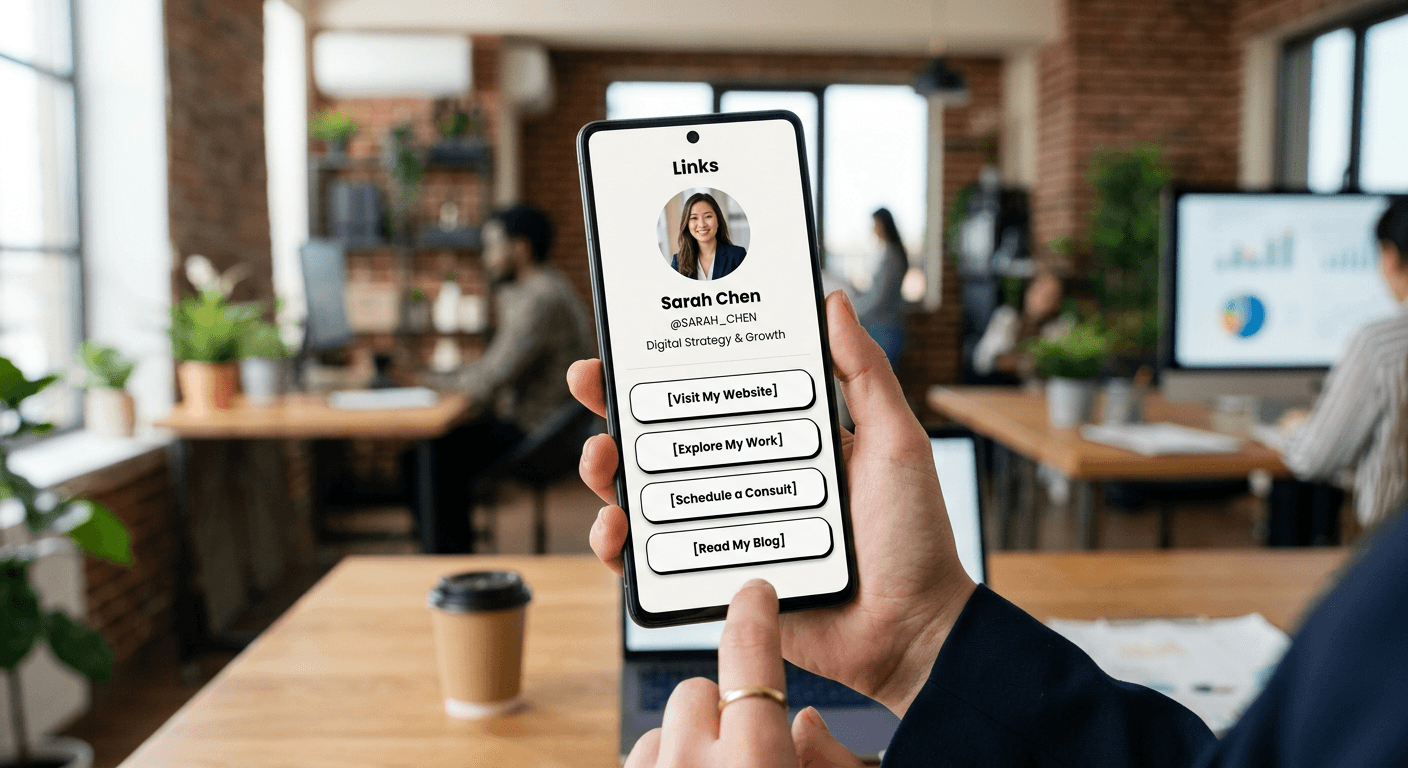
Optimizing your digital presence requires a sophisticated approach to how you bridge the gap between offline interactions and online conversions. In 2026, the reliance on a single, static destination is insufficient for professional creators and businesses alike. Instead, the focus has shifted toward high-performance, mobile-first redirection strategies that prioritize user experience and measurable data collection.

Quick Summary
Successful digital connectivity in 2026 relies on consolidating dispersed online assets into a singular, mobile-optimized landing page. By integrating dynamic QR code contact methods with centralized redirection platforms, brands can drive traffic more effectively.
- Use a centralized mobile-first landing page.
- Deploy scannable QR codes for physical-to-digital transitions.
- Implement granular tracking to measure click-through efficacy.
- Maintain brand consistency across all touchpoints.
Table of Contents
- Quick Summary
- The Evolution of Link Mobility
- Strategizing Your Digital Connect Ecosystem
- Implementing QR Code Contact Systems
- Best Practices for Link-app Optimization
- Common Pitfalls and Troubleshooting
- FAQ
- Recommended Reads
The Evolution of Link Mobility
The concept of link mobility has matured from simple social media redirection into a comprehensive strategy for managing brand traffic. Users no longer tolerate fragmented experiences where they must navigate multiple clicks to reach a desired action. A modern link-app serves as the primary gateway, acting as a lightweight, lightning-fast intermediary that presents essential information, products, or services in a single view.
Effective mobility in this context implies that the landing experience must load instantly on any device regardless of network conditions. By stripping away non-essential elements like heavy scripts or intrusive pop-ups, these platforms ensure that the transition from a social media profile or an offline print medium to your core business offering is frictionless. This efficiency is critical for maintaining engagement rates that often plummet if a page takes longer than two seconds to render.
Strategizing Your Digital Connect Ecosystem
A robust digital connect strategy involves more than just dumping links onto a page. It requires an architectural mindset regarding the user journey. You should categorize your links into primary calls-to-action (CTAs) - such as booking a service or purchasing a product - and secondary informational links like portfolios or contact details.
Consider how your audience interacts with different channels. A follower on a mobile-heavy social platform has different needs than a client visiting your website via a desktop browser. By tailoring the landing page layout to feature the most time-sensitive or high-conversion assets at the top, you effectively guide user behavior. Data collection is the final piece of this puzzle; by integrating tracking pixels, you can attribute traffic sources accurately and refine your content strategy based on real-world engagement rather than guesswork.
Implementing QR Code Contact Systems
Physical-to-digital integration remains one of the most effective ways to capture leads in person. When you deploy a qr code contact method, you are creating an immediate bridge for networking events, store signage, or printed materials. The secret to success here is dynamic generation: you should be able to update the destination URL behind the code without changing the physical printed artwork.
Pro Tip: Use high-contrast color schemes for your QR codes to ensure rapid scanning in varied lighting conditions. Avoid overly complex custom frames that might interfere with the internal finder patterns, which can lead to scanning errors on older mobile devices.
Once the scan occurs, the user should be directed to a mobile-friendly page that automatically offers relevant options, such as saving your contact details directly to their device. This removes the friction of manual entry and ensures your information is stored immediately in their phone’s contact list, increasing the likelihood of follow-up communication.
Best Practices for Link-app Optimization
To ensure your link-app continues to perform well, you must treat it as a living document. Regularly audit your link set to remove dead pages, update outdated offers, and swap in new seasonal content. A stale landing page signals a lack of professional oversight and discourages potential repeat visitors.
Furthermore, prioritize visual hierarchy. Use clear button labels and recognizable icons to guide the eye. If your brand relies on a specific aesthetic, ensure your custom domain or themes reflect this. Consistent branding across your social profiles and your landing page builds trust and increases the likelihood that a user will complete the intended action, whether it is signing up for a newsletter or making a purchase.
Common Pitfalls and Troubleshooting
One of the most frequent errors is link overcrowding. By cramming too many options onto a single screen, you induce choice paralysis in the visitor, which often leads to them leaving the page entirely. Aim for a maximum of 5-7 high-value links in the primary view to keep the experience focused.
Another common issue is broken tracking metrics. If your pixels or analytics scripts are not firing correctly, you lose the ability to understand which channels are actually driving results. Always test your links in private browser windows on both iOS and Android to ensure that redirects function as expected and that the page renders correctly on various screen sizes and operating systems. If you notice a sudden drop in click-through rates, check your link expiration dates and ensure your domain security certificates are up to date.
FAQ
Why is a dedicated link-app better than just a standard website?
Standard websites are often heavy, bloated, and designed for complex navigation. A link-app is optimized specifically for mobile conversion, loading in seconds and focusing entirely on the most important links, which reduces bounce rates for social media and mobile traffic.
How does dynamic QR code usage help with tracking?
Dynamic codes allow you to track how many scans occurred at specific times and locations. Because you can change the target URL behind the code at any time, you don't need to reprint your marketing materials if your strategy or promotional offer changes.
Is it safe to use third-party link management services?
When you choose a professional platform, security is managed through encryption and secure hosting infrastructure. Always look for providers that prioritize data privacy and do not sell your audience's information to third-party data brokers.
How many links should I include in my bio?
Focus on quality over quantity. Include a maximum of 5-7 links that directly serve your most important business goals. Additional links can be moved to sub-folders or secondary pages to maintain a clean interface.