The Role of Feeder Links in Modern Marketing
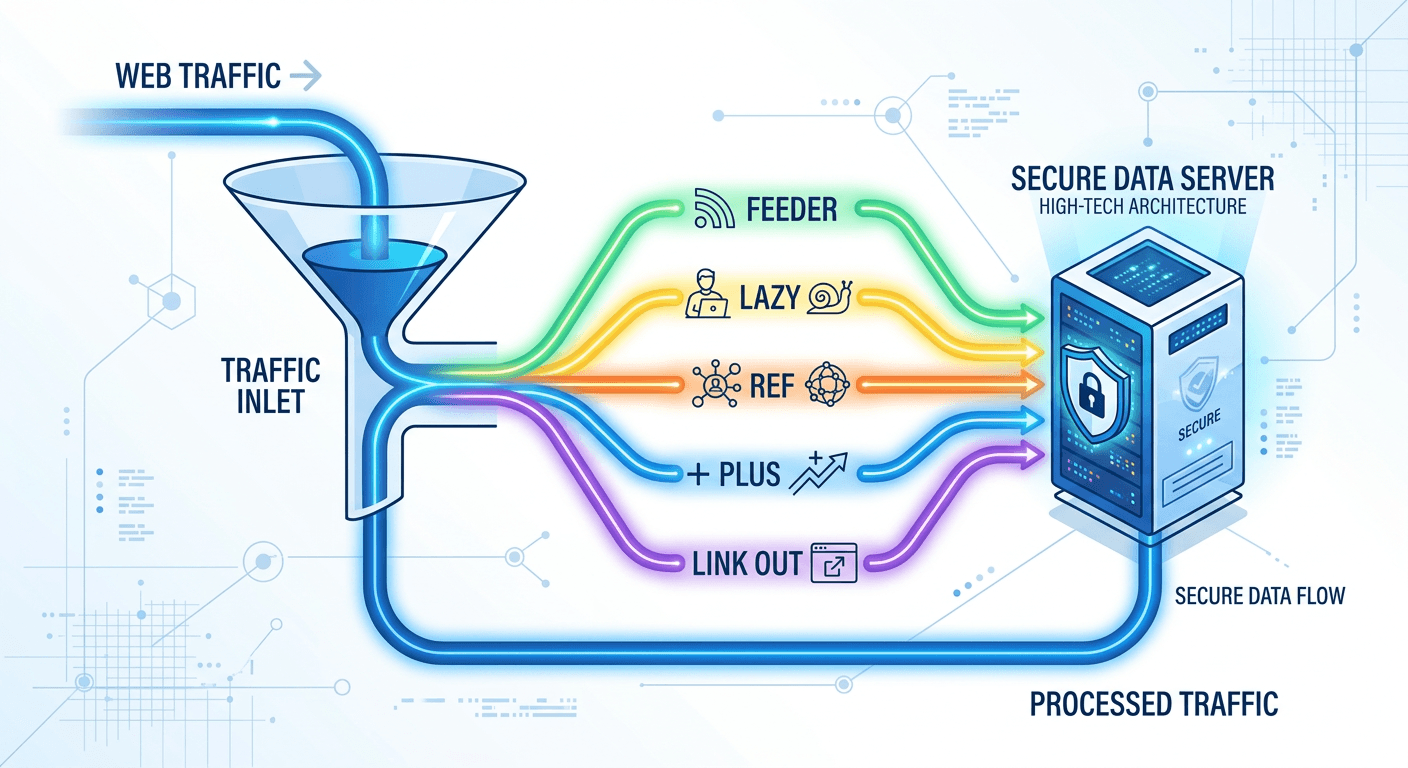
The strategic use of a feeder link serves as a foundational component in contemporary digital acquisition strategies, allowing marketers to funnel traffic through specific touchpoints before reaching a final destination. By understanding the mechanical flow of traffic between domains, professionals can better track conversion pathways and optimize user engagement across diverse online ecosystems.
Quick Summary {#quick-summary}
A feeder link is a strategic redirect or intermediary URL used to aggregate, track, or warm up traffic before sending it to a primary landing page. It acts as a controlled gateway that facilitates better data attribution, audience segmentation, and the mitigation of direct traffic noise in marketing analytics.
- Improved tracking precision for multi-channel campaigns.
- Enhanced ability to test destination content without altering primary URLs.
- Facilitates A/B testing and temporary campaign routing.
- Helps filter or qualify audience interest levels before conversion.
Table of Contents {#table-of-contents}
- Quick Summary
- Mechanics of the Feeder Link
- Strategic Use of Lazy Links and Redirects
- Implementing Reference Links for Attribution
- Optimization with Plus Links and Parameters
- Managing Link Outs in Content Strategy
- Comparison Table of Link Architectures
- FAQ
- Recommended Reads

Mechanics of the Feeder Link {#mechanics-of-the-feeder-link}
A feeder link functions by intercepting an inbound click and processing it through a secondary server or tracking script before the final redirect occurs. Unlike a direct hyperlink, this process enables the capture of metadata - such as referrer source, device type, and geographical location - in a controlled environment. This technical layer ensures that even if the end platform does not provide native analytics, the marketer maintains a clear record of the traffic source.
In complex digital environments, such as those discussed in enterprise digital infrastructure guides, the feeder mechanism serves as a bridge. By decoupling the promotional URL from the actual asset, teams gain the agility to update destination URLs mid-campaign without breaking existing links posted on social media, email newsletters, or third-party partner sites. This flexibility prevents the loss of potential conversions when destination pages undergo maintenance or structural changes.
Strategic Use of Lazy Links and Redirects {#strategic-use-of-lazy-links-and-redirects}
The term lazy link, or deferred loading link, refers to a technique where the final URL is only resolved or loaded upon specific user interaction, such as a scroll or a hover. This is particularly effective for heavy media landing pages or legacy sites where load speed directly impacts SEO performance. By delaying the resolution, you prevent the page from being penalized for slow initial response times.
Pro Tip: When deploying lazy links, always ensure that your script is lightweight and asynchronous. A slow loading redirect script can paradoxically create a higher bounce rate than the slow page itself, so prioritize performance optimization at the infrastructure level.
Implementing Reference Links for Attribution {#implementing-reference-links-for-attribution}
A ref link (reference link) is specifically engineered for attribution modeling. By appending unique identifiers to the query string, marketers can trace exactly which creative unit, influencer, or placement drove a specific sign-up or purchase. This is the cornerstone of modern affiliate programs and performance-based marketing architectures.
When scaling these implementations, it is essential to maintain a standardized taxonomy for your parameters. Consistent naming conventions allow for automated data ingestion into CRM and BI tools. Without this structure, the data provided by a reference link becomes fragmented, leading to inaccurate ROAS calculations and potentially wasted budget allocation on underperforming channels.
Optimization with Plus Links and Parameters {#optimization-with-plus-links-and-parameters}
A plus link refers to a URL structure that leverages additive parameters to modify the behavior of the destination page, such as pre-filling form fields or triggering specific UI elements. By using these dynamic links, marketers can create a highly personalized onboarding experience that begins the moment the user clicks the ad.
For instance, by using specialized URL parameters, you can ensure that a user arriving from a mobile advertisement sees a mobile-optimized version of a calculator or a condensed signup form. This level of granular control is essential for high-intent traffic where the friction of a standard landing page could lead to abandonment. Exploring customized link management systems can provide the backend support needed to handle thousands of unique parameter combinations at scale.
Managing Link Outs in Content Strategy {#managing-link-outs-in-content-strategy}
A link out represents any external connection leading away from your domain. In a balanced SEO strategy, these links are critical for establishing topical authority and providing value to the user. However, excessive or poorly managed external linking can lead to "link leakage," where you inadvertently reduce your page's internal authority without gaining reciprocal value.
Best practices dictate that external links should be opened in a new tab if they take the user away from critical conversion funnels. Additionally, employing "nofollow" or "sponsored" tags where appropriate ensures that your domain's reputation remains protected while still enabling the necessary flow of information across the web. Effectively managing your outbound traffic is just as important as nurturing your incoming leads.
Comparison Table of Link Architectures {#comparison-table-of-link-architectures}
| Link Type | Primary Function | Best Use Case |
|---|---|---|
| Feeder Link | Traffic interception | Campaign management & tracking |
| Lazy Link | Deferred loading | Performance optimization |
| Ref Link | Data attribution | Affiliate & partner tracking |
| Plus Link | User experience modification | Personalization & dynamic forms |
| Link Out | External navigation | Citation & partner support |
FAQ {#faq}
What is the primary difference between a feeder link and a standard redirect?
A feeder link is designed specifically for data capture and tracking before the final destination is reached. A standard 301 or 302 redirect is a server-level instruction for the browser to move to a new URL, often without the granular tracking layer provided by a feeder mechanism.
Can a lazy link negatively affect SEO?
If implemented correctly, a lazy link should not hurt SEO. However, if the redirect mechanism is slow or blocked by search engine crawlers, it can lead to indexing issues. Always ensure that robots.txt and sitemap configurations account for your redirect structures.
Why use plus links instead of unique landing pages?
Using plus links with URL parameters allows you to use a single master landing page for multiple segments, significantly reducing development time and maintenance overhead while still offering a personalized user experience.
Do ref links impact search engine rankings?
Ref links, especially those used in affiliate marketing, do not inherently improve your site's organic rankings. However, they are vital for measuring the ROI of your paid search and social efforts, which indirectly informs where you should invest in SEO-friendly content.