So erstellen Sie Dropbox Links und teilen Dateien sicher im Jahr 2026
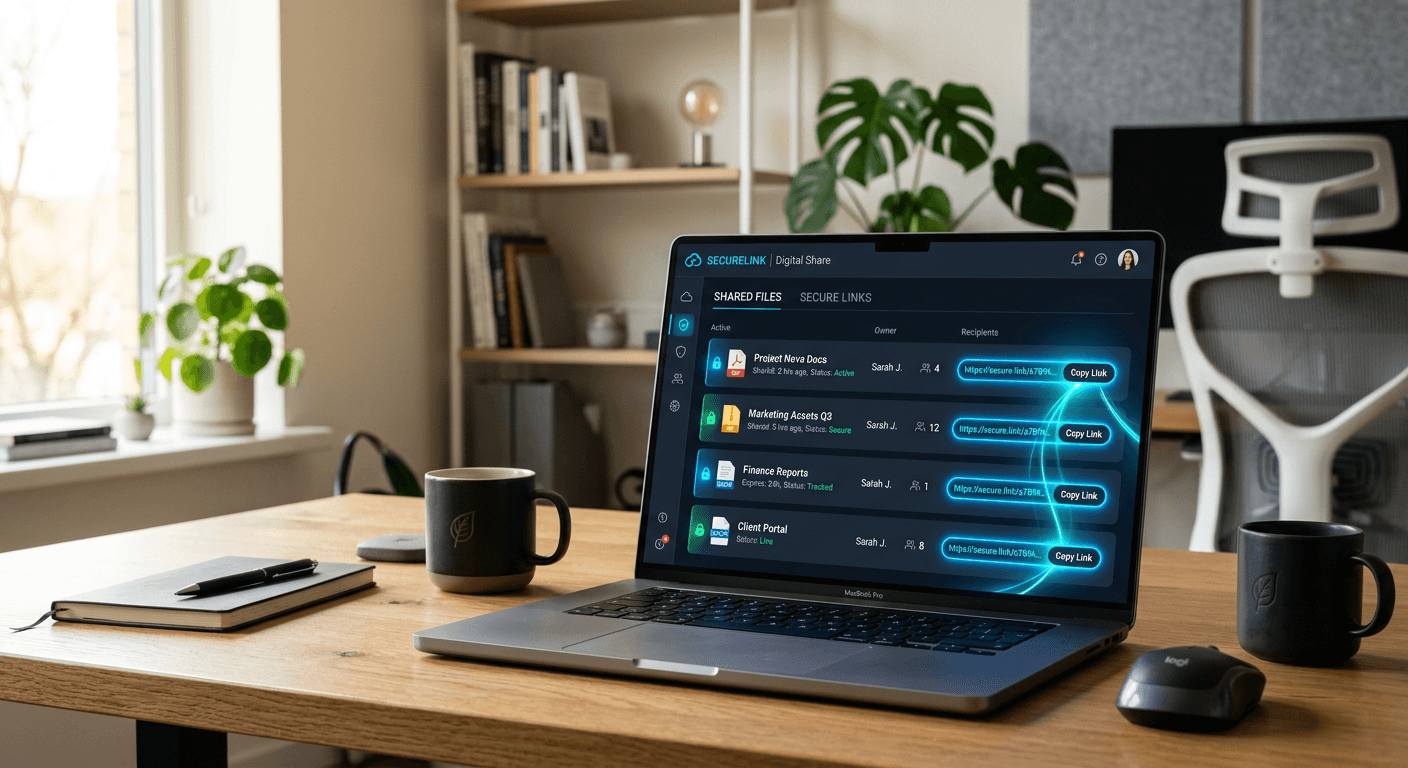
Efficient file management is a cornerstone of modern digital productivity, especially for freelancers, content creators, and remote teams who need to collaborate across borders. Whether you are transferring large media files or organizing assets for a client, understanding how to generate a reliable dropbox link erstellen or leverage other cloud-based distribution channels is essential for maintaining a professional workflow. By centralizing these assets, you reduce friction in your daily operations and ensure that your collaborators always have access to the latest versions of your work.
Quick Summary {#quick-summary}
Generating cloud storage links allows you to share large files instantly without the limitations of email attachments. By using platforms like Dropbox, WeTransfer, or MEGA, you can control access permissions, set expiration dates, and monitor file interactions. These tools are vital for maintaining a streamlined and secure digital workspace.
- Use dedicated cloud storage for permanent, version-controlled file access.
- Use temporary transfer services for one-off, large-scale file delivery.
- Always set access permissions to 'view only' to prevent accidental unauthorized changes.
- Consider using a professional link in bio platform to organize these shared resources for your audience.
Table of Contents {#table-of-contents}
- Understanding Cloud Link Generation
- How to Generate Links for File Sharing
- Best Practices for Secure File Transfer
- Choosing the Right Service for Your Needs
- Common Pitfalls and Troubleshooting
- Frequently Asked Questions
- Recommended Reads

Understanding Cloud Link Generation {#understanding-cloud-link-generation}
At its core, a cloud-based link acts as a gateway to a specific file or folder hosted on a remote server. When you create a shareable URL, you are essentially granting the recipient a specific level of access to data stored in your account. This removes the dependency on local storage capacity and circumvents the file size limitations inherent in traditional email protocols.
For businesses and creators, this process is an integral part of professional communication. Instead of sending raw files that clutter an inbox, you provide a clean link that redirects the user to your centralized link repository. This approach allows for better version control, as you can replace the file at the source without needing to send a new link to your client or audience every time an update is made.
How to Generate Links for File Sharing {#how-to-generate-links-for-file-sharing}
To effectively share files, you must follow the correct procedures for the specific platform you are using. Below is a breakdown of how to handle the most common services:
- Dropbox Link Erstellen: Navigate to your Dropbox folder, right-click on the file or folder you wish to share, and select the 'Share' or 'Copy link' option. Ensure you adjust the permission settings from 'Can edit' to 'Can view' if you do not want the recipient to modify your documents.
- WeTransfer Link: Visit the website, drag and drop your files into the interface, and select the option to 'Get a transfer link'. This is ideal for one-off, time-sensitive deliveries that do not require permanent hosting.
- MEGA Link: Upload your files to your encrypted cloud drive. Once the upload is complete, select the file, choose 'Get link', and decide whether to include the decryption key within the URL or share it separately for added security.
- Session Link or Temporary Sessions: For real-time collaboration or secure temporary access, look for 'session link' or 'temporary access' features within your chosen project management tools. These links are often programmed to expire automatically after a set duration or number of downloads.
Pro Tip: When sharing critical business documents, always utilize 'view-only' links to preserve the integrity of your original files and prevent unauthorized deletions or modifications.
Best Practices for Secure File Transfer {#best-practices-for-secure-file-transfer}
Security should never be an afterthought when dealing with link upload procedures. First, always audit your shared links periodically. Many platforms provide a dashboard where you can see all active links you have generated; remove any that are no longer necessary to minimize your digital footprint.
Second, consider using password protection if the platform allows it. For sensitive information, relying solely on an obfuscated link is insufficient. A password-protected link adds a crucial second layer of authentication, ensuring that even if the link is intercepted, the underlying data remains encrypted and inaccessible to unauthorized parties.
Choosing the Right Service for Your Needs {#choosing-the-right-service-for-your-needs}
Different scenarios require different tools. If you are a creator managing a library of assets for clients, a permanent cloud storage solution like Dropbox or MEGA is superior because it allows for structured folder hierarchies and ongoing synchronization. You can update your links in one place while your audience accesses the latest versions.
Conversely, if you are a freelance professional dealing with occasional high-volume transfers, a tool like WeTransfer is more efficient as it is built for speed and simplicity. Evaluate your storage needs, your budget for cloud space, and the necessity of features like folder permissions before committing to a primary provider for your workflow.
Common Pitfalls and Troubleshooting {#common-pitfalls-and-troubleshooting}
One of the most frequent errors is the 'Link Expired' issue. This often happens with temporary transfer services that delete files after 7 or 30 days. Always check the expiration terms before assuming a file is safe for long-term storage.
Another common issue is broken permissions. If a recipient reports they cannot access a file, first verify that the link was not set to 'private' or 'invite only'. Many users accidentally set files to be accessible only by specific email addresses, which blocks external users. Finally, ensure that your browser cache is not interfering with the link generation process by trying the action in an incognito window if a link fails to generate properly.
Frequently Asked Questions {#faq}
- What is the difference between a permanent link and a temporary session link? A permanent link is hosted in your cloud storage and remains active until you manually delete it or move the file. A session link is temporary and often designed to expire after a set time or a specific number of clicks, making it better for secure, one-time handoffs.
- Can I track how many times my shared link has been opened? Yes, most professional cloud storage platforms provide basic link analytics. However, for deeper insights, you might need to use a dedicated link management service to track clicks and user engagement more granularly.
- Are links generated for cloud storage safe? They are generally secure, provided you manage permissions correctly. Always use 'view-only' settings for public links and implement password protection for sensitive business assets.
- What happens if I delete a file I already shared via a link? If you delete the original file from your storage provider, the link will immediately stop working. The recipient will see an error page stating that the file no longer exists or the link is invalid.